
Three Years of Bioeconomy in Action
For the past three years, White Research has been deeply involved in two Horizon Europe projects aimed at making Europe’s bioeconomy more inclusive and sustainable, namely MainstreamBIO Project and ROBIN project . As Dissemination and Communication Manager for both initiatives, our White team worked alongside a diverse group of experts, regional authorities, and rural stakeholders with a common goal: to unlock the potential of bio-based solutions and circular governance models that benefit both people and the planet.
But what exactly is the “bioeconomy”? Although it may sound technical, at its core, the term bioeconomy refers to the use of biological resources, from crops and forestry residues to food waste and algae, to produce food, materials and bioenergy. This concept sits at the heart of the European Union’s Green Deal and Horizon Europe programmes, which seek to move the European continent toward climate neutrality and resource efficiency, while simultaneously creating jobs and value in rural areas and ensuring that the benefits of the green transition are shared widely and equitably.
However, more importantly, these projects also demonstrate that sustainable innovation is not only about technology and research. It is about bringing together people, knowledge and disciplines. It is about giving farmers, cooperatives and regional authorities a voice in research and innovation and bridging the gap between policy ambitions and local realities. At White Research, we believe that good communication and stakeholder engagement are as important as scientific advances because they turn knowledge into action and inspire communities to participate in the change, allowing people to have a say in what matters.
Project Highlights
MainstreamBIO: Bringing small-scale innovation into the mainstream
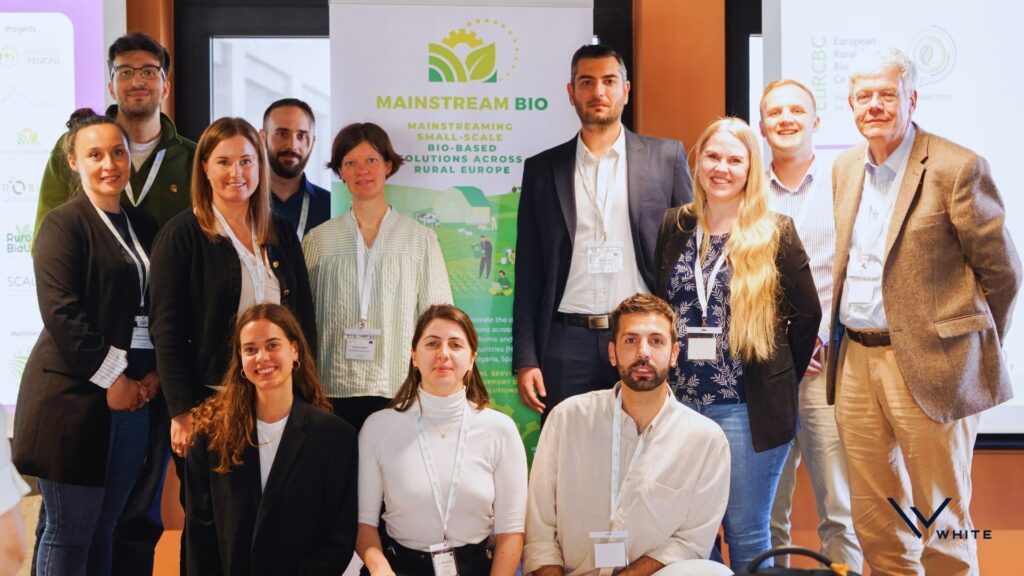
MainstreamBIO set out with an ambitious yet practical aim to bring small-scale bio-based solutions into rural Europe’s mainstream – living up to its name. This three-year project assembled 10 partners from 9 EU countries focusing on helping farmers, cooperatives, and rural communities turn local biomass and by-products into sustainable products and services. Specifically, the project created 7 Multi-actor Innovation Platforms (MIPs) to act as collaborative spaces in Poland, Denmark, Sweden, Bulgaria, Spain, Ireland and the Netherlands, where farmers, industry, researchers and policymakers could design solutions tailored to regional needs. Through personalised advisory services, a digital decision support system and a user-friendly toolkit, the project supported 43 innovation cases and connected local actors with the right technologies and practices.
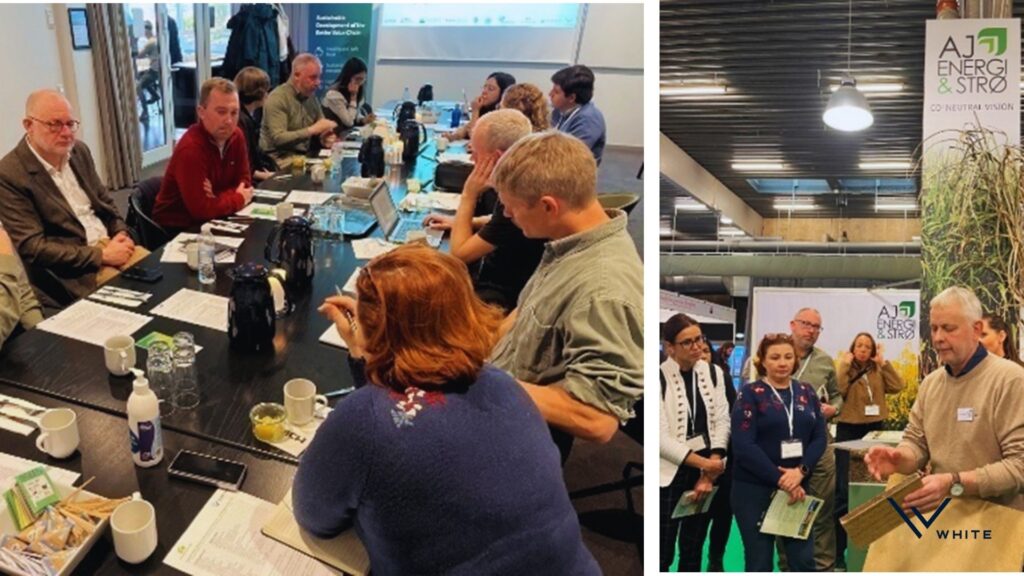
In fact, these collaborative spaces brought together more than 130 stakeholders, including over a third who were women and another third who were young farmers. Over the course of the project, partners provided 60 tailored services to 43 innovation cases, ranging from scale-up advice and nutrient management to business mentoring and guidance on funding. Moreover, the digital toolkit compiled over 600 resources on the bioeconomy, along with 16 examples of small-scale technologies and 31 nutrient recycling practices, providing practitioners with a one-stop shop for knowledge and ideas.
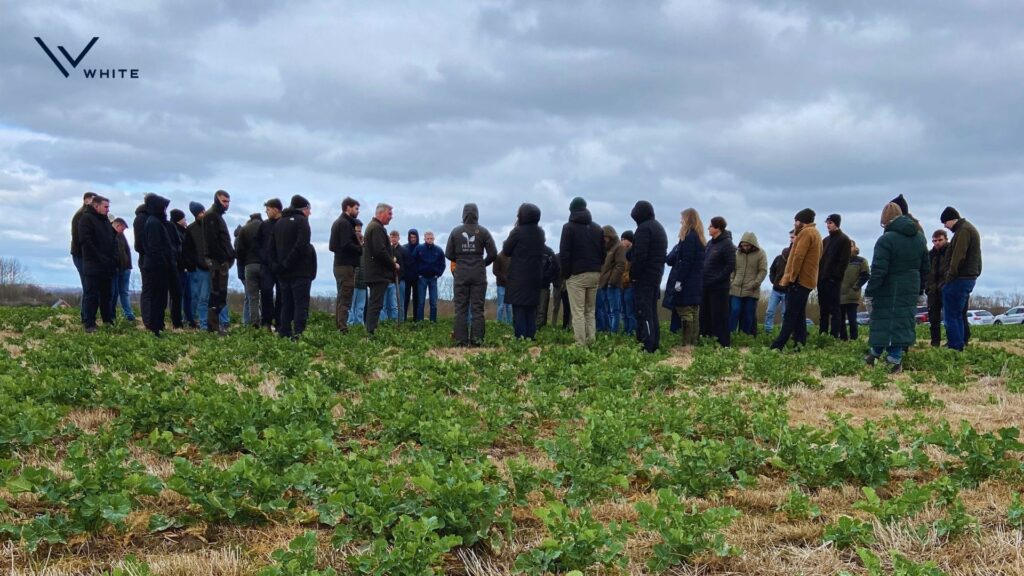
Beyond these achievements, MainstreamBIO focused on building awareness and capacity. Through a series of webinars, practice notes and multimedia stories that reached hundreds of participants, the project also produced guidance to help other regions replicate its model, distilling lessons learned and proposing sustainable business pathways. Last but not least, policy insights were shared with European and regional decision makers through interviews and joint initiatives with sister projects. All of these activities make it easier for other regions to follow suit, while educational resources and outreach materials continue to demystify the bioeconomy for a broad audience.
ROBIN: Strengthening circular bioeconomy governance in Europe’s regions
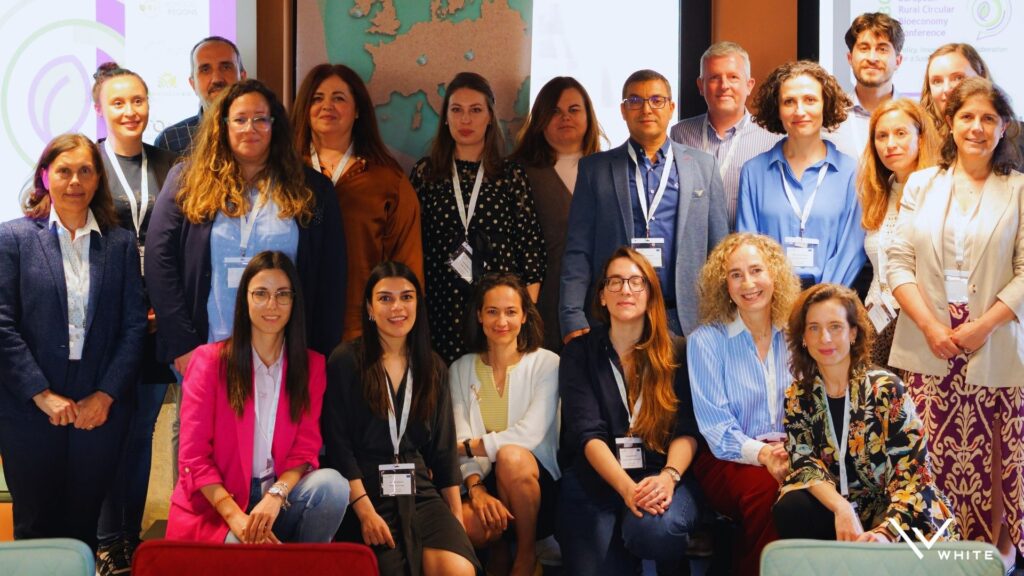
Running in parallel with MainstreamBIO, ROBIN aimed to empower European regions to adapt their governance models and structures, thereby accelerating the development of the circular bioeconomy. To this end, it collaborated with five regional authorities: Andalusia in Spain, Central Macedonia in Greece, Baden-Württemberg in Germany, the Southern Region of Ireland and Zilina in Slovakia. Specifically, the project invited these regions to rethink how they govern bio-based value chains and adopt circular practices. To support them, ROBIN introduced a toolbox comprising three main components: a knowledge platform of best practices, a suite of co-creation and policy monitoring tools, and a portfolio of tailored support actions.
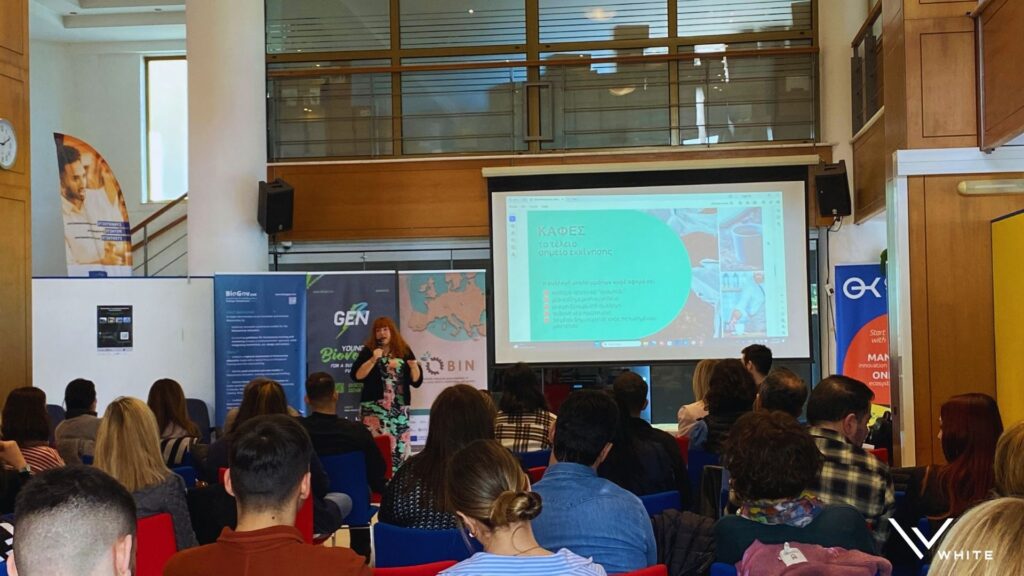
Put simply, the toolbox gave regional teams three complementary instruments. One tool guided them through the process of defining their vision, activities, partnerships, and resources. Another allowed them to monitor progress across environmental, social, and governance dimensions, and a third helped them identify and eliminate practices that might harm ecosystems. In addition, the knowledge platform showcased governance models and best practices from other regions, while the portfolio of support actions offered tailor-made guidance based on each region’s needs. These resources were refined through a series of hands-on co-creation workshops and beta testing sessions hosted in each region, bringing together public servants, entrepreneurs, researchers and citizens. This collaborative process not only grounded the tools in local realities but also cultivated a culture of collective problem-solving and accountability, ensuring that the toolbox can support meaningful performance evaluation and targeted interventions that advance circular governance.
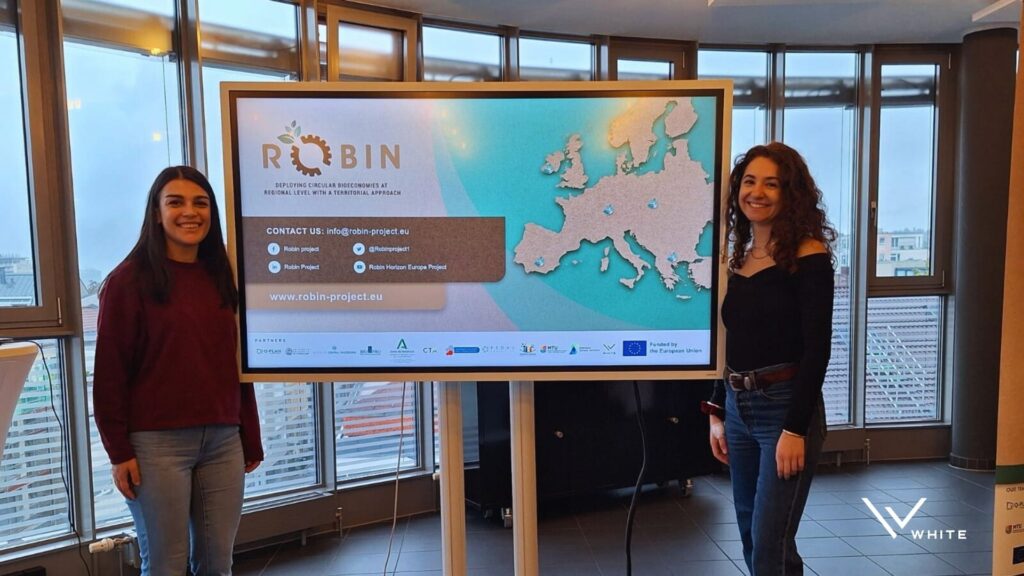
Beyond tool development, ROBIN placed significant emphasis on sharing knowledge and shaping policy. Its partners summarised their insights in policy notes and a white paper that were shared with more than 9.000 stakeholders across Europe. Over the three-year journey, the consortium maintained a strong presence across the bioeconomy landscape, organising 29 dedicated workshops, participating in 58 high-level events and conferences, and reaching more than 205,000 stakeholders through dissemination and collaboration activities. Taking into account all these actions together, these efforts have provided these five European regions with practical examples and inspiration to accelerate the transition toward a circular bioeconomy across Europe.
White’s Role and Impact
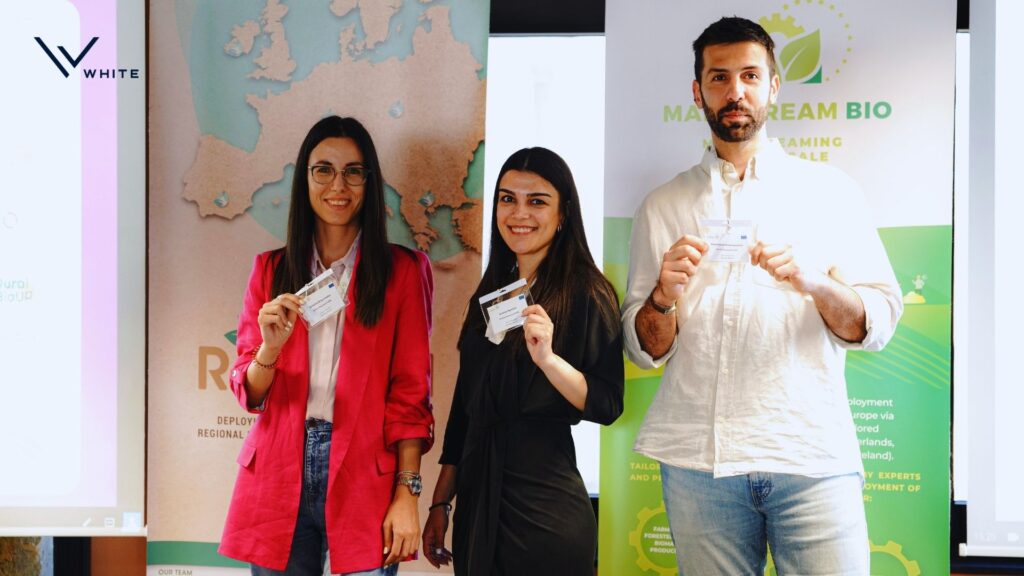
In both MainstreamBIO and ROBIN, White Research acted as the conduit between project partners and the wider public. As Dissemination and Communication Manager, our team crafted clear messages, built narrative arcs and ensured that technical findings translated into accessible and relatable stories. Furthermore, it coordinated events and communication channels that brought farmers and regional authorities together with researchers and industry, more importantly, fostering a sense of ownership and collaboration. A heartfelt thank you to Galatsopoulos Anastasios, Ioanna Nydrioti, Pinelopi Kaslama and Artemis Grigoriadou for their dedication, creativity, and teamwork throughout both projects. It is based on their efforts that helped turn complex research into stories that connect people, policy, and impact.
Additionally, by applying behavioural insights and stakeholder engagement methods, White also helped project partners understand the needs of rural communities and policymakers. Specifically, in MainstreamBIO our team went beyond communication tasks: we led the analysis of stakeholder perceptions, needs and conditions across the seven rural regions, catalogued existing social innovations for small scale bio-based solutions, and coordinated a series of regional scale up workshops hosted by each MIP, while supporting project’s methodology to match locally available biomass and waste streams with market and technology opportunities.
Similarly, in ROBIN, WR shaped the co-creation workshops and policy dialogues that underpinned the development of governance tools and support actions. Importantly, our work did not stop at awareness raising, as the team supported partners in building networks that can outlive the projects, connecting innovators with mentors, investors and policymakers. It is through these efforts that we positioned ourselves as a trusted communicator and outreach partner in the bioeconomy space, one that listens, translates and amplifies voices from across the value chain.
Looking Ahead
As both projects draw to a close, the real work is only just beginning. MainstreamBIO and ROBIN have provided tools, networks and confidence to farmers, entrepreneurs and regional authorities ready to embrace the bioeconomy. However, by demonstrating that small-scale innovations can thrive and that circular governance models are feasible, they have laid a foundation for greener, more resilient communities. White Research is proud to have played a part in this journey. Our company will continue to champion collaborative, human-centred approaches that make sustainability tangible. We look forward to building on these experiences and partnering on new initiatives that bring Europe closer to a thriving, inclusive and circular bioeconomy. On to the next one.
Related News


InnoRate: It’s a wrap!
On 31 December 2021, the Horizon2020 project InnoRate, with White as its Communication and Dissemination Manager,…